Food Support
Explore food support and food-donation partnerships.
Suitable food, local purchasing, safe handling and delivery can help address documented needs. We review offers with attention to receiving capacity, product condition and practical distribution arrangements.
Please contact us before delivering food or relying on a collection service.
Food Donation Standards · Ask About Availability · Support Delivery
Two ways to begin
Looking for food-support information? Share your general location and a safe way to contact you through Contact Us. Check current availability before traveling to a site or relying on a collection or delivery. An inquiry does not guarantee food assistance. Please do not include identity documents, financial records or sensitive case details.
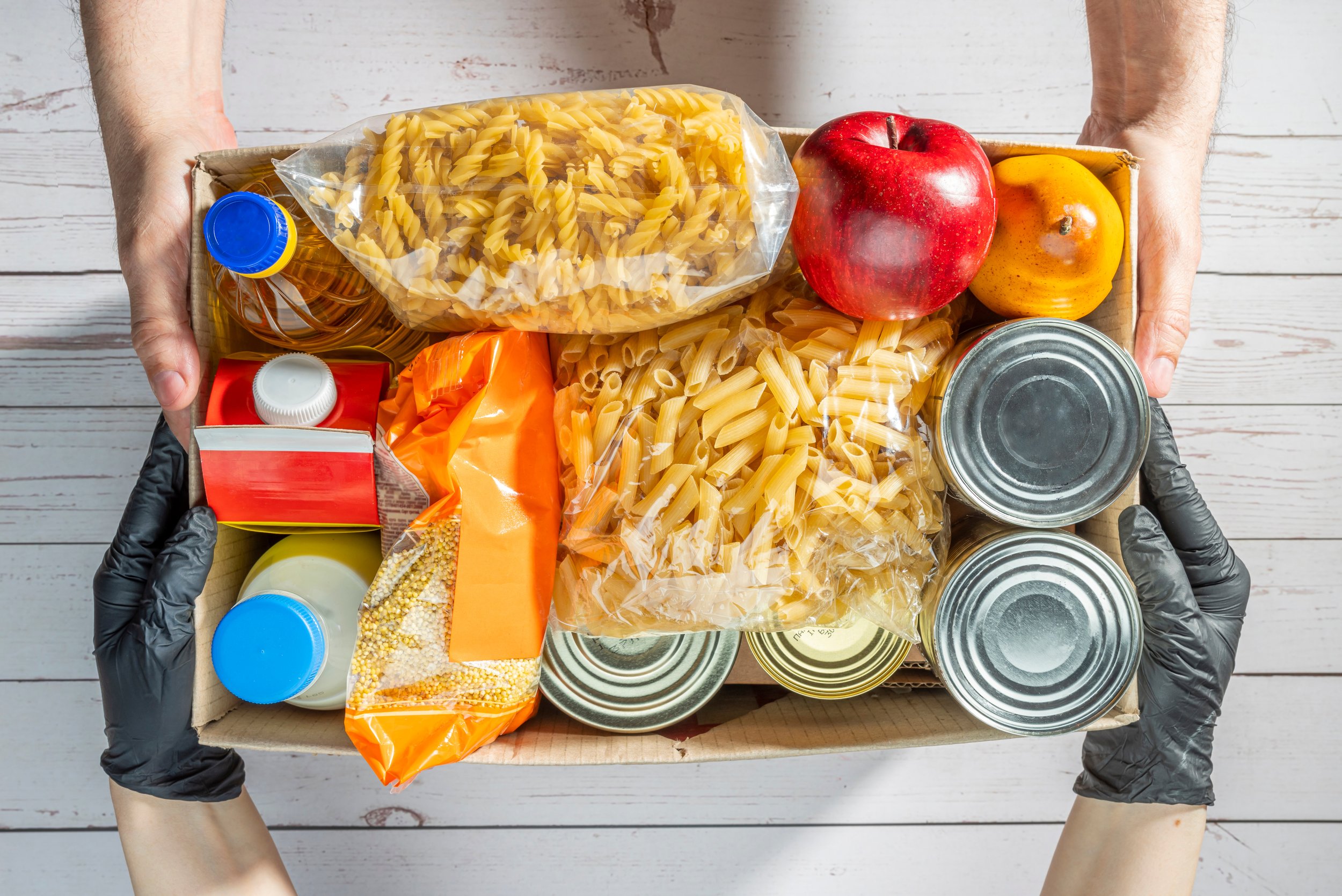
Offering food? Start with the food type, quantity, condition, dates, general location and handling needs. Offer food for review. Please do not send or deliver food until suitability and receiving arrangements are confirmed.
An organization interested in food access can also propose qualified handling, local purchasing, transport, storage or a local collaboration. A partnership inquiry is the starting point, not a confirmed receiving arrangement.
Purpose and objectives
The food-security theme, previously presented as Free Food Bank, aims to reduce hunger and support nutrition, dignity and community resilience. Its priorities are practical relief, suitable food, community participation and responsible sourcing. It sits within Humanitarian Relief, Food Security & Stabilization.
Food-access models for discussion
The following models describe possible components of a locally approved activity. They do not announce an operating warehouse, distribution center, mobile food bank or home-delivery service.
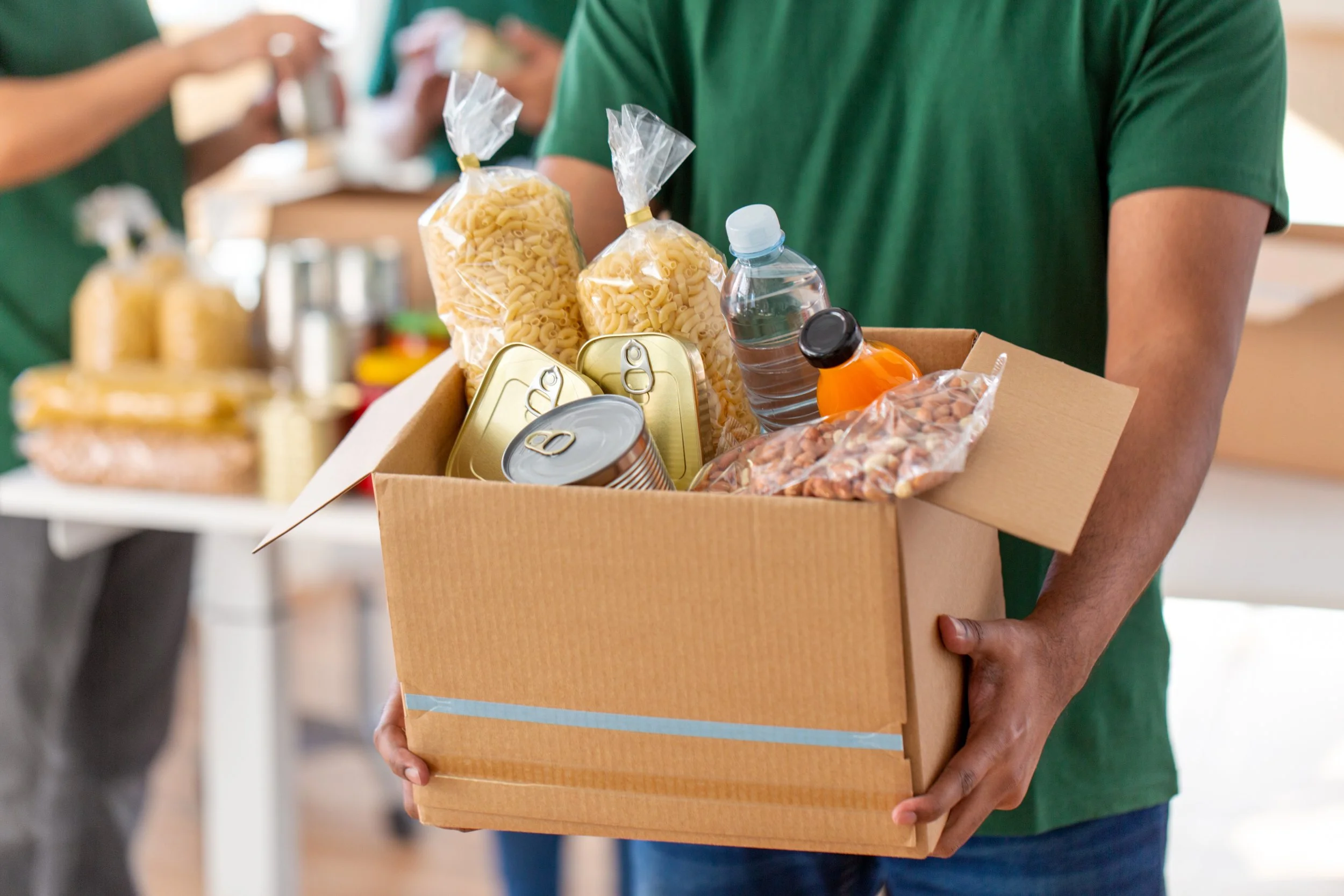
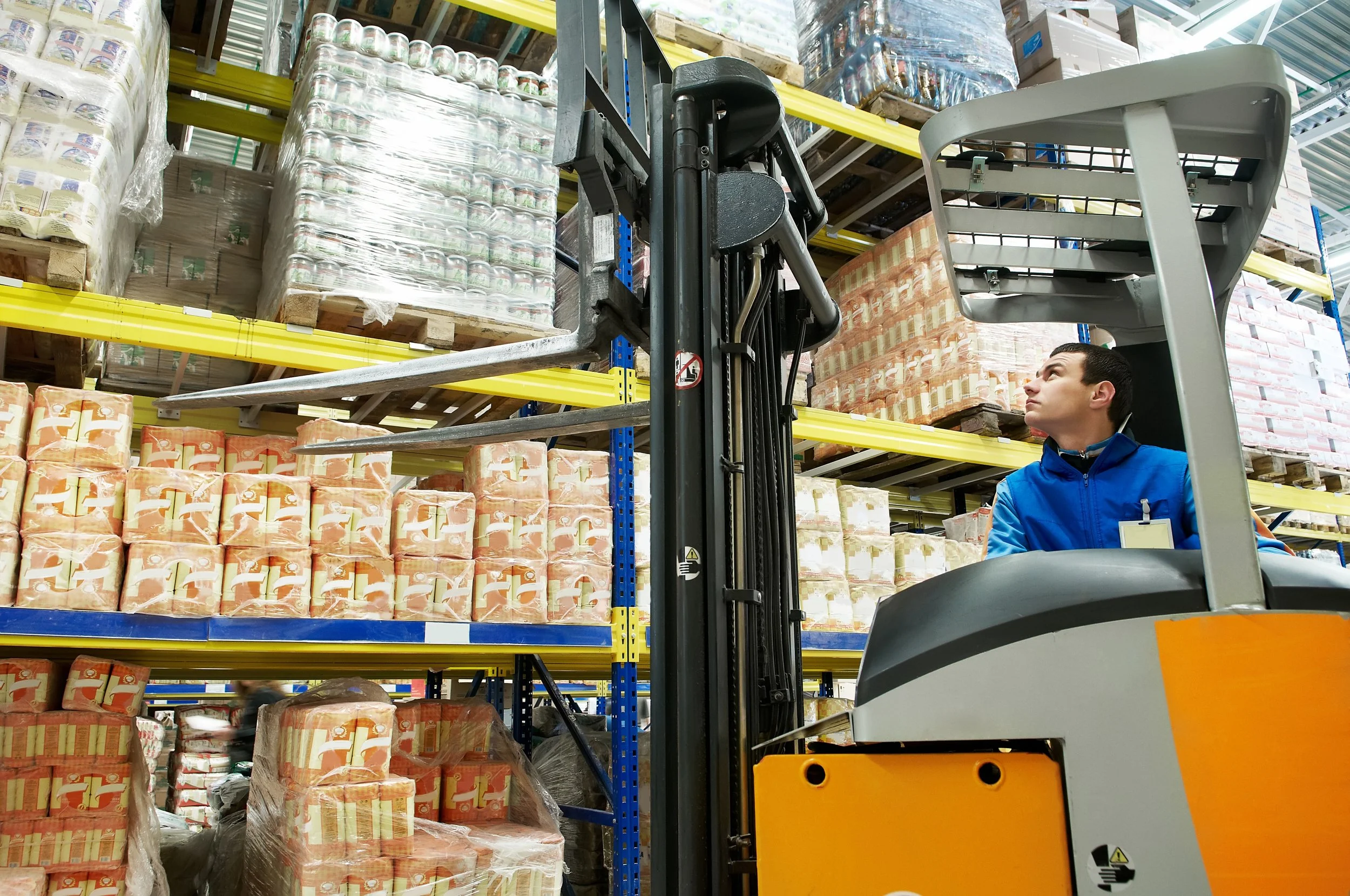
Collection and sourcing: suitable donations from businesses, supermarkets, farms and individuals; agreed food drives with schools or community organizations; and local purchasing where a documented need and budget support it.
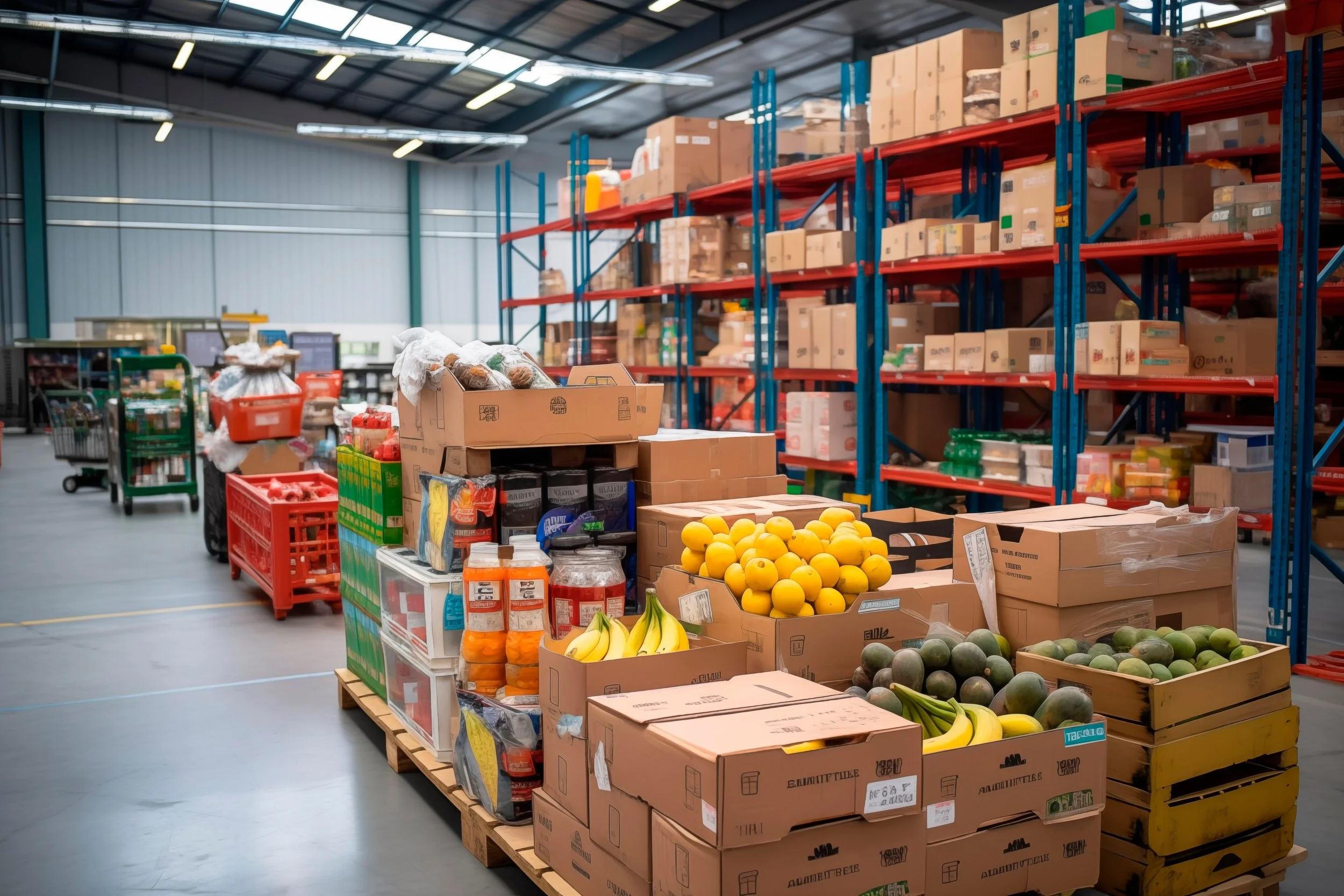
Storage and inventory: qualified receiving arrangements, appropriate refrigeration where required, condition and date checks, and records that support safe handling and traceability.
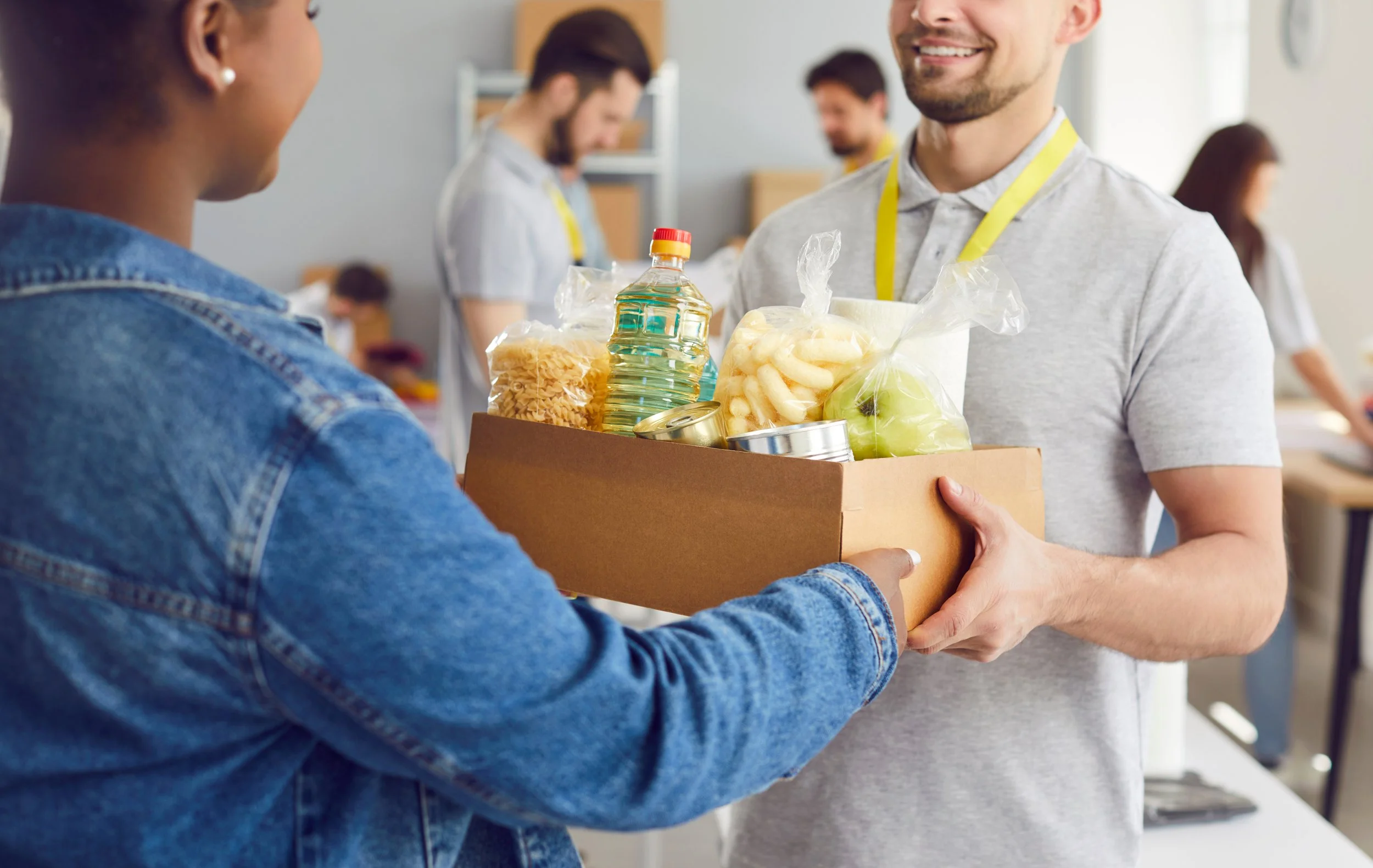
Distribution: a suitable fixed site, mobile arrangement or accessible delivery model only when the location, receiving partner, permissions, staffing and capacity are confirmed.
Nutrition education: appropriately reviewed workshops, recipes and practical food-budgeting resources, with qualified guidance where needed.
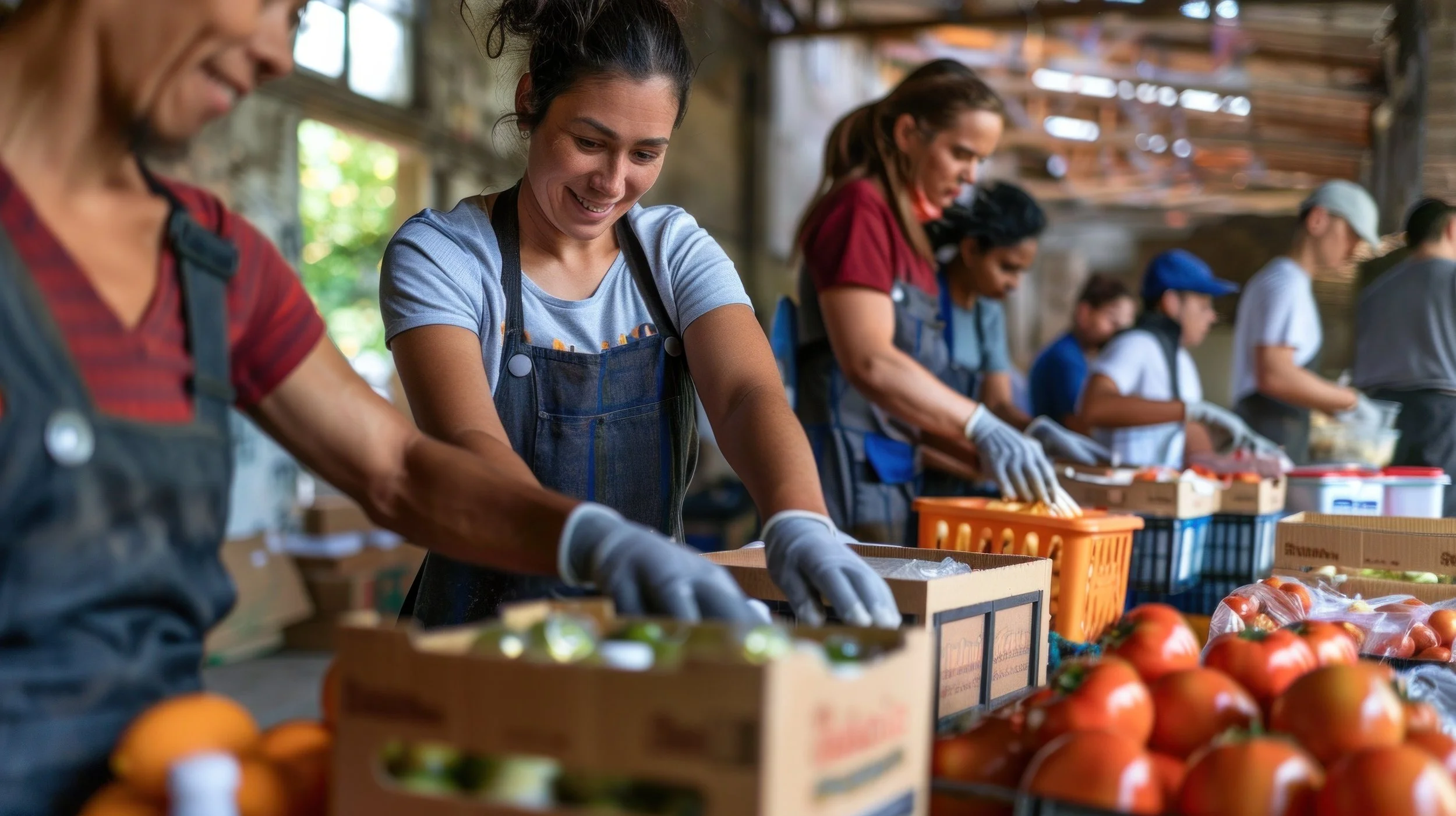
Volunteer and community participation: agreed roles in collection, sorting, packaging, distribution or awareness activities, with appropriate preparation and supervision.
Monitoring and feedback: dated activity records, careful definitions of meals and food quantities, feedback from participants and volunteers, and clear distinction between FWF and partner contributions.
Partnerships and participation
Supermarkets and food producers can propose suitable supplies; qualified service organizations can discuss appropriate referral or handling roles; educational institutions can suggest supervised learning and community participation. Each relationship and activity requires review before commitments are made.
Discuss Food Access Collaboration · Propose a Food Drive · Express Volunteer Interest · Support the Foundation
Questions about a particular location, activity or record can be sent through Contact Us or to info@feelworldwidefoundation.org. This page is not an emergency service; for immediate danger, contact the relevant local emergency service.