Donation Drives
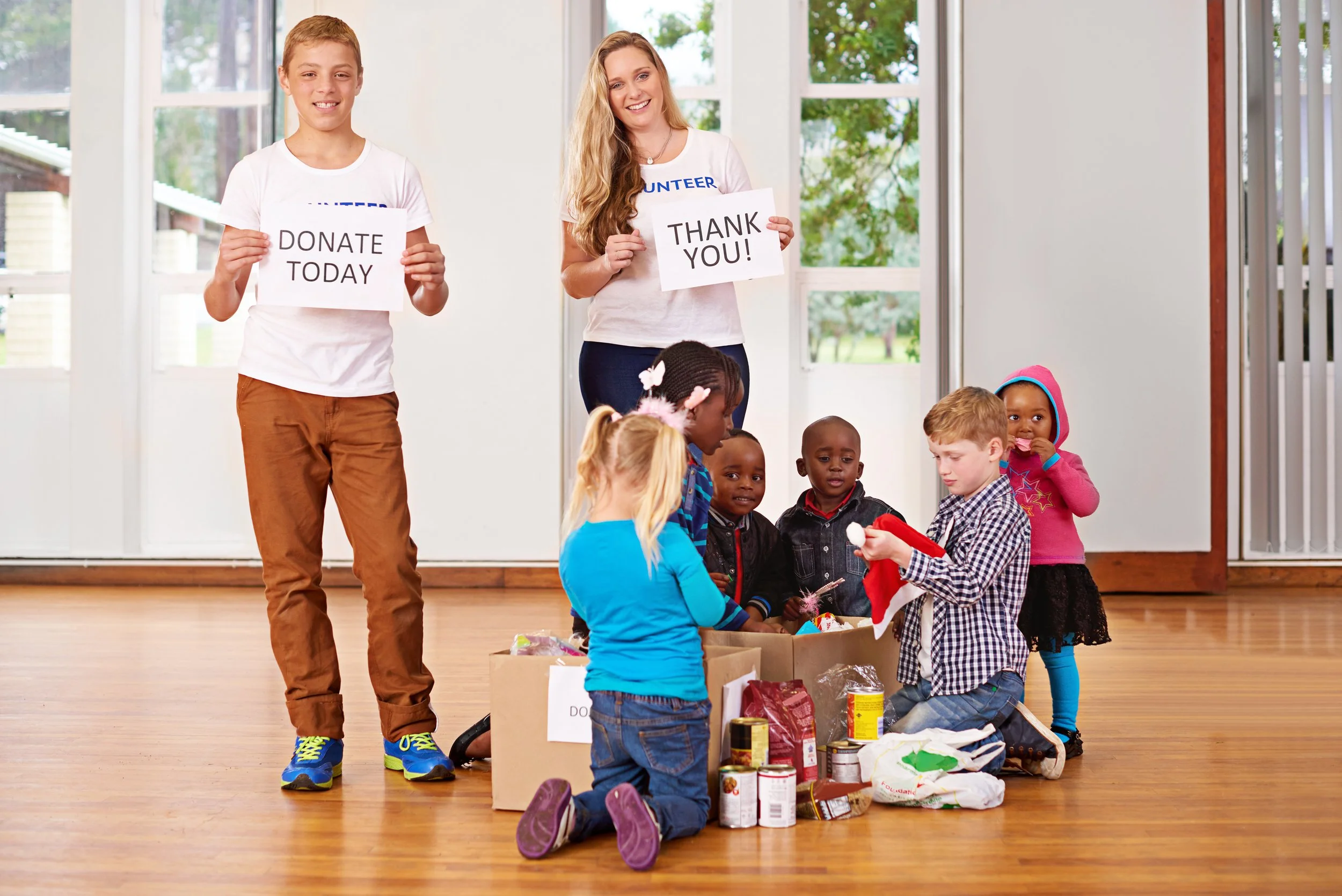
Organize a useful donation drive.
A good drive starts with an agreed need, a specific item list and a confirmed handover plan. Schools, workplaces, neighborhoods and community groups can propose a collection and discuss how to make it practical.
Wait for written approval of the items, dates, public wording and receiving arrangements before launching a drive under FWF’s name. Do not collect money into personal accounts on our behalf.
Propose a drive · View current needs · Review donation standards
Plan before you collect
Describe your proposed drive. Share the community or group involved, general location, items you hope to collect and possible timing.
Confirm what is useful. Agree the needed items, quantities, condition standards and any exclusions before asking people to donate.
Make the handover practical. Confirm storage, sorting, transport, receiving arrangements and who is responsible for each part.
Launch only after approval. Use the agreed public wording and dates. Keep a record of what is collected and handed over; collecting items is not the same as confirming their receipt or distribution.
Useful ways to contribute
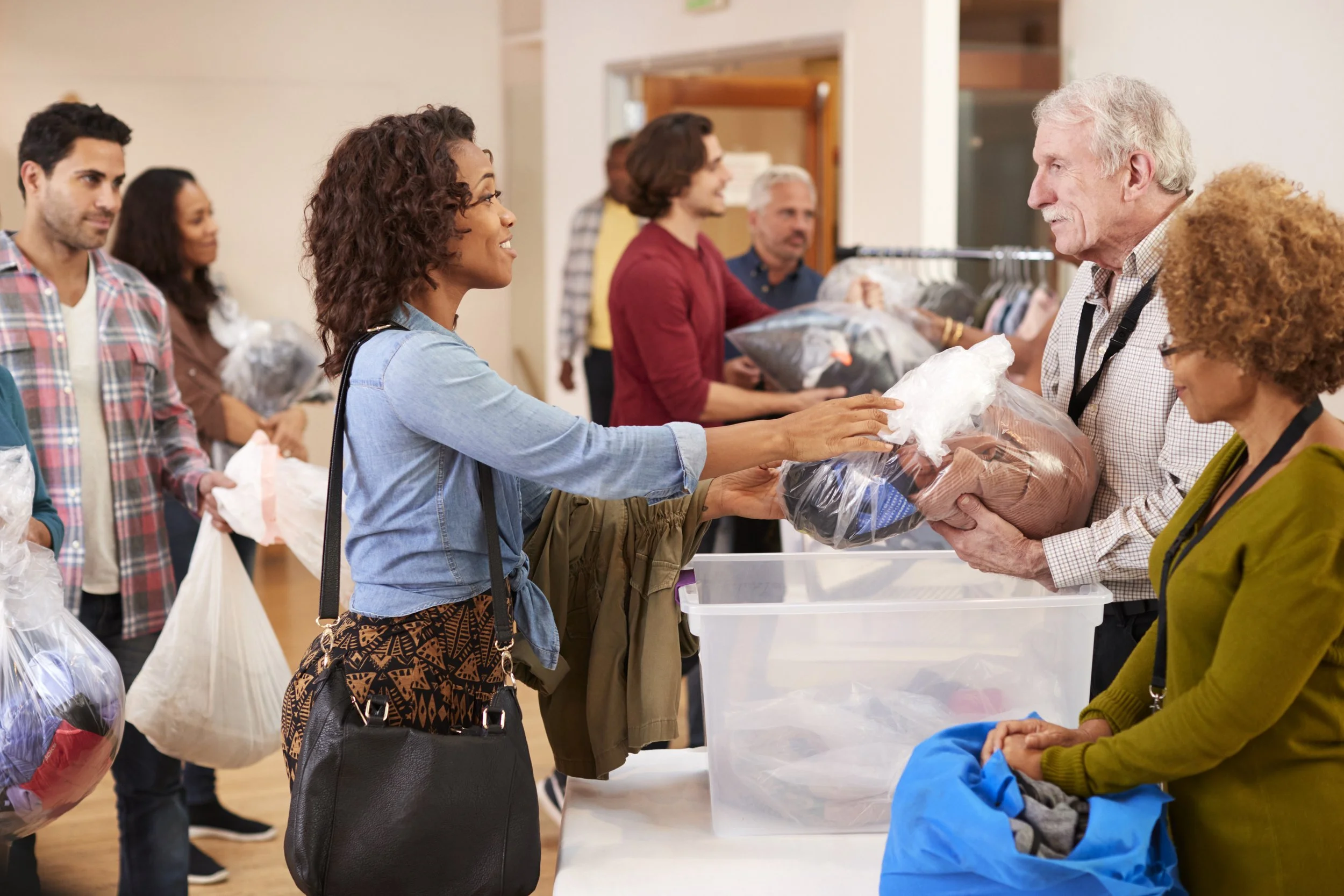
The program’s purpose is to connect useful material resources with documented community needs while treating people with dignity and reducing avoidable waste. Clothing, shoes, household goods and business surplus are possible collection categories, subject to the current accepted list, condition standards and receiving capacity.
Schools, campuses, workplaces, faith groups and neighborhoods: propose a collection with a responsible host and appropriate supervision.
Retailers and manufacturers: discuss surplus inventory, useful quantities and safe transport before committing a shipment. Business donation guidance.
Community and nonprofit partners: discuss verified needs, delivery responsibilities and appropriate distribution arrangements. Partner inquiry.
Volunteers: express interest in sorting, packing, inventory, coordination or an approved handover activity. A role and supervision must be agreed first. Volunteer or student interest.
Agree the collection and handover plan
Before a drive begins, the host and FWF need an agreed item list, exclusions and quantity limits; dates and receiving windows; host authority; safe space and storage; staffing and supervision; sorting, transport and expenses; approved publicity; and an inventory and closeout process.
Do not assume that a collection point, pickup service, sorting center or distribution event is available. Delivery, bulk goods, emergency-response offers and items needing special handling require review. Do not send unsafe or unusable items or leave goods at an address without written acceptance.
Appropriate reuse, repair, upcycling or recycling can support sustainability when the receiving route is confirmed. Items should not be collected merely to create an obligation for someone else to dispose of them.
Record what actually happens
Keep a practical record of approved items, quantities collected and handed over, any incident, and the receiving confirmation. Feedback and documented outcomes can inform the next drive. A proposal, pledge or collection total is not evidence that goods were received or distributed.
No dated drive, receiving capacity or drop-off location is confirmed by this page. Check current needs and obtain written arrangements before collecting or delivering.
Propose a donation drive · Pickup, drop-off and shipping guidance · Ask a question