

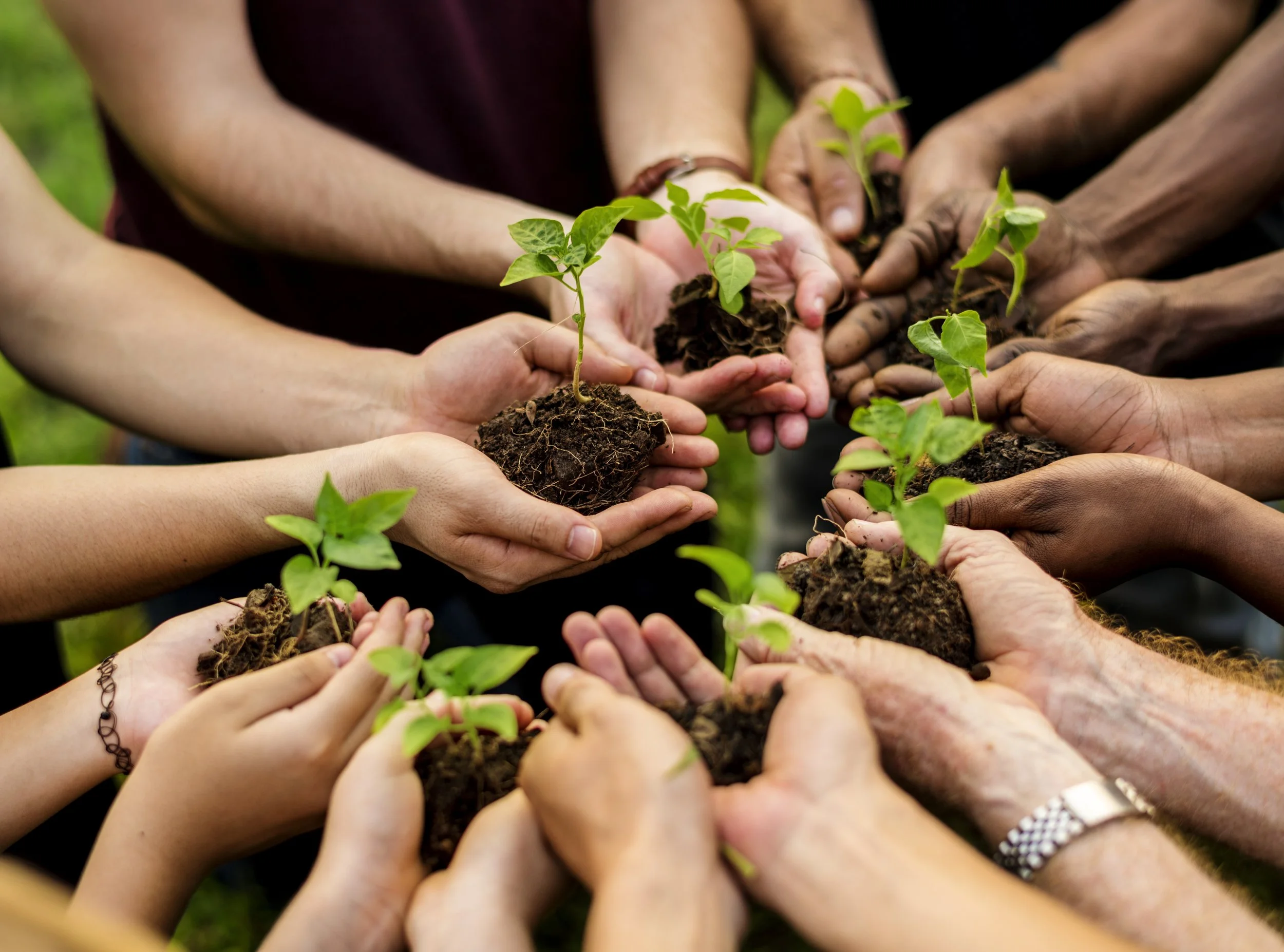
Sustainable Development Projects:
Develop practical environmental and community improvements.
Ideas should begin with a documented local need and consider technical suitability, permissions, long-term maintenance and community priorities. Offer qualified expertise or propose a defined partnership for review.
Our sustainable-development interests connect clean water, education, climate resilience and fair access to resources. The themes below are project concepts; they do not establish that a well, installation, facility or service is currently operating.
Project themes
Clean water: appropriate wells, rainwater harvesting and purification concepts; water conservation; and sanitation, hygiene and water-management education. Qualified assessment, permissions, water-quality safeguards and maintenance are necessary before delivery.
Education for sustainability: environmental and climate curricula, educator development, and suitable school construction or renovation concepts using efficient design and materials.
Climate action: solar or wind energy where appropriate, reforestation, ecosystem and biodiversity conservation, and locally informed resilience planning for extreme weather and changing conditions.
Technology and agriculture: responsible use of remote sensing, data analysis and smart-agriculture tools, alongside sustainable farming practices that consider food security, livelihoods and environmental protection.
Community-led solutions: local participation in design, implementation and continuing care so a proposal fits its social, cultural and environmental setting.
From proposal to a deliverable project
Describe the need, location, community input, proposed outcome, resources and relevant expertise. Before work begins, agree the qualified technical lead, permissions, safety and accessibility requirements, budget, partner roles, operating responsibilities and a realistic maintenance plan.
A project can be presented as operating only when its arrangements, location and dates are confirmed. Do not order equipment, begin construction or make commitments in FWF’s name without written agreement.
Partnership and evidence
Community organizations, academic and research institutions, qualified specialists, businesses, governments and international organizations can propose relevant collaboration. References to international sustainability goals do not establish affiliation, endorsement or a partnership with a named institution.
Agree useful measures before delivery: water-access and quality results, learning outcomes, energy use, conservation, biodiversity or community feedback, as appropriate. Record the method, reporting period and limitations. Environmental or social results must be supported by evidence and kept separate from intended outcomes.
Help shape a practical proposal
Propose a project, offer qualified services, discuss an institutional partnership or support agreed needs. Relevant volunteer expertise may include engineering, education or environmental science, subject to the activity’s requirements and supervision.
Explore the Community Engagement, Volunteerism & Local Action pathway. For current information, contact our teamor email info@feelworldwidefoundation.org.