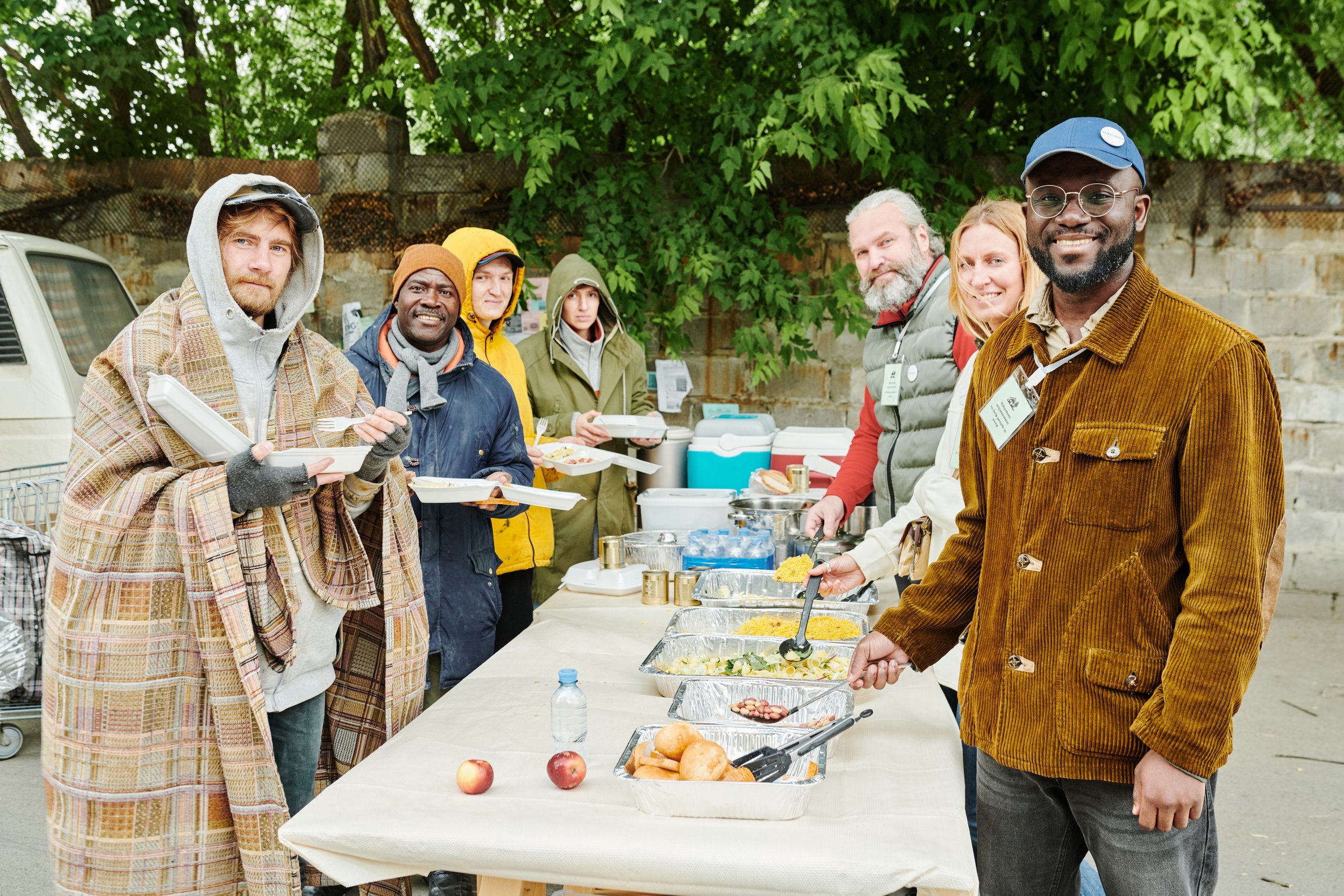
Community Engagement Projects:
Bring local knowledge into a practical project.
Residents and organizations can suggest an activity, explain the need and describe who could help. A project becomes FWF-authorized only after its scope, supervision, resources and permissions are agreed.
Our community-engagement focus supports local ownership, collaborative problem-solving, volunteer participation and the skills needed to sustain useful work. Explore the Community Engagement, Volunteerism & Local Action pathway.
Community Initiative Studio
Use the Community Initiative Studio to propose a defined project. Describe the location, local need, intended participants, host, resources, accessibility and supervision. Submission starts a review; it does not authorize fundraising, use of FWF’s name, recruitment or delivery.
Before an activity begins, agree its scope, responsible host, permissions, safeguarding, budget, resource handling, evidence and reporting. Confirm the current location, participation arrangements and named supervisor directly with the foundation.
Planning models
The following are approaches for developing an appropriate proposal, rather than a list of currently open projects.
Community needs assessment: facilitated participatory workshops, surveys, focus groups and community mapping can help residents identify priorities, resources and gaps.
Project design and implementation: collaborative planning, resource mobilization and small pilots allow ideas to be tested and improved before expansion.
Volunteer engagement: recruit for agreed roles, match skills and interests, and provide relevant project-management, organizing or technical training. Recognition and service records must reflect verified participation and the activity’s stated requirements.
Sustainable development and capacity building: leadership, financial-management and technical skills, local organizational partnerships, and ongoing monitoring can support community ownership and maintenance.
Outreach and civic participation: community events, public-awareness activity and nonpartisan discussion of local policy can support public benefit. FWF-authorized activities must remain distinct from political candidate campaigning.
Monitoring and evaluation: participation records, project outcomes, community feedback, regular meetings and sustainability tracking help identify useful changes and continuing responsibilities.
Evidence, feedback and safe delivery
Agree what will be measured, the reporting period and who will verify it. Keep accurate resource and activity records, obtain appropriate permission for photographs or stories, and avoid collecting unnecessary personal information. Report limitations honestly; participation totals alone do not establish long-term impact.
If an activity becomes unsafe, exceeds its agreed scope or raises a safeguarding concern, pause the affected work and contact the agreed supervisor. Contact FWF for routing guidance without sending private case files through the general form. For immediate danger, contact the relevant local emergency service.
Partnerships and ways to help
Local governments may contribute planning and permissions; nonprofits may share expertise and resources; schools and universities may support supervised student involvement. Each proposed relationship requires review and agreed responsibilities.
Propose an initiative, explore volunteering, discuss an institutional partnership or support community work. Current opportunities depend on location, supervision and resources.
For questions, contact our team or email info@feelworldwidefoundation.org.