

Ideas, practical guidance and lessons from the work.
Explore learning, community participation, enterprise and organizational practice. Practical examples and proposals are different from documented FWF activities. Check article dates and linked sources when information may change.
Explore by topic
Education | Community | Entrepreneurship | Nonprofit leadership | International partnership | Tools and resources
Search articles and the FWF website
Browse the articles below and use Older Posts to continue through the archive.
Explore FWF programs | Ways to contribute | Article feedback or corrections

The Welcome Begins Before the Reception Desk
The route into a community activity is part of the welcome. Clear names, well-placed directions and testing with newcomers can reveal where a venue asks visitors to guess.

A Community Room Should Let People Hear Each Other
A welcoming room should make conversation easier to follow. Practical choices about noise, microphones, listening support and upkeep can help more people participate.

A Seed Library Should Share Knowledge Along With Seeds
A community seed library can offer more than a packet to plant. Clear labels, honest expectations and shared growing knowledge help neighbours take the next step with confidence.

Cleaner Indoor Air Belongs in the Learning Plan
Cleaner indoor air requires more than buying a device. A practical community plan connects suitable ventilation and filtration with clear responsibilities, realistic costs, and regular care.

Light the Path Without Lighting the Whole Night
Better outdoor lighting begins with what people need to see. A practical guide to evening access, glare, responsible controls and maintenance that respects neighbours and the night.

Make Community Partnerships Easier for People to Use
A referral should lead to a usable next step. Current eligibility, clear consent, named contacts and thoughtful follow-up help community partners see whether people actually reached support.

Give Residents a Real Say in the Budget
Giving residents a say in public spending means more than collecting ideas. Clear authority, fair deliberation, honest costs and visible delivery make participatory budgeting worth the effort.

A Community Map Should Reflect the People Who Live There
A community map can reveal valued places and overlooked barriers. Its usefulness depends on whose knowledge shapes it, what gets checked, and which locations must remain protected.

Expand a Community Initiative Without Losing What Makes It Work
A community initiative can reach more people without losing its value. Separate essential practices from local choices, share authority, budget for the full workload and set clear points to review, adapt or pause expansion.

A University Partnership Should Leave Useful Knowledge in the Community
A university partnership should answer a question residents care about and leave findings they can use. Begin with shared priorities, respect research ethics and consent, and plan for data responsibility and realistic follow-up.

A Community Meal Needs More Than Generosity
A welcoming community meal needs clear responsibility behind the scenes. Plan for local food rules, temperature control, accurate allergen information and volunteers who can stop an unsafe practice.

Cleaner Cooking, More Possibility
Cleaner cooking needs more than a new stove. Health, affordability, familiar meals and dependable fuel or electricity all shape whether a household can keep using a better option.

Shade Belongs Where People Have to Wait
Shade is most useful where people cannot avoid waiting. A practical look at how communities can place, maintain and evaluate trees and structures around everyday journeys.
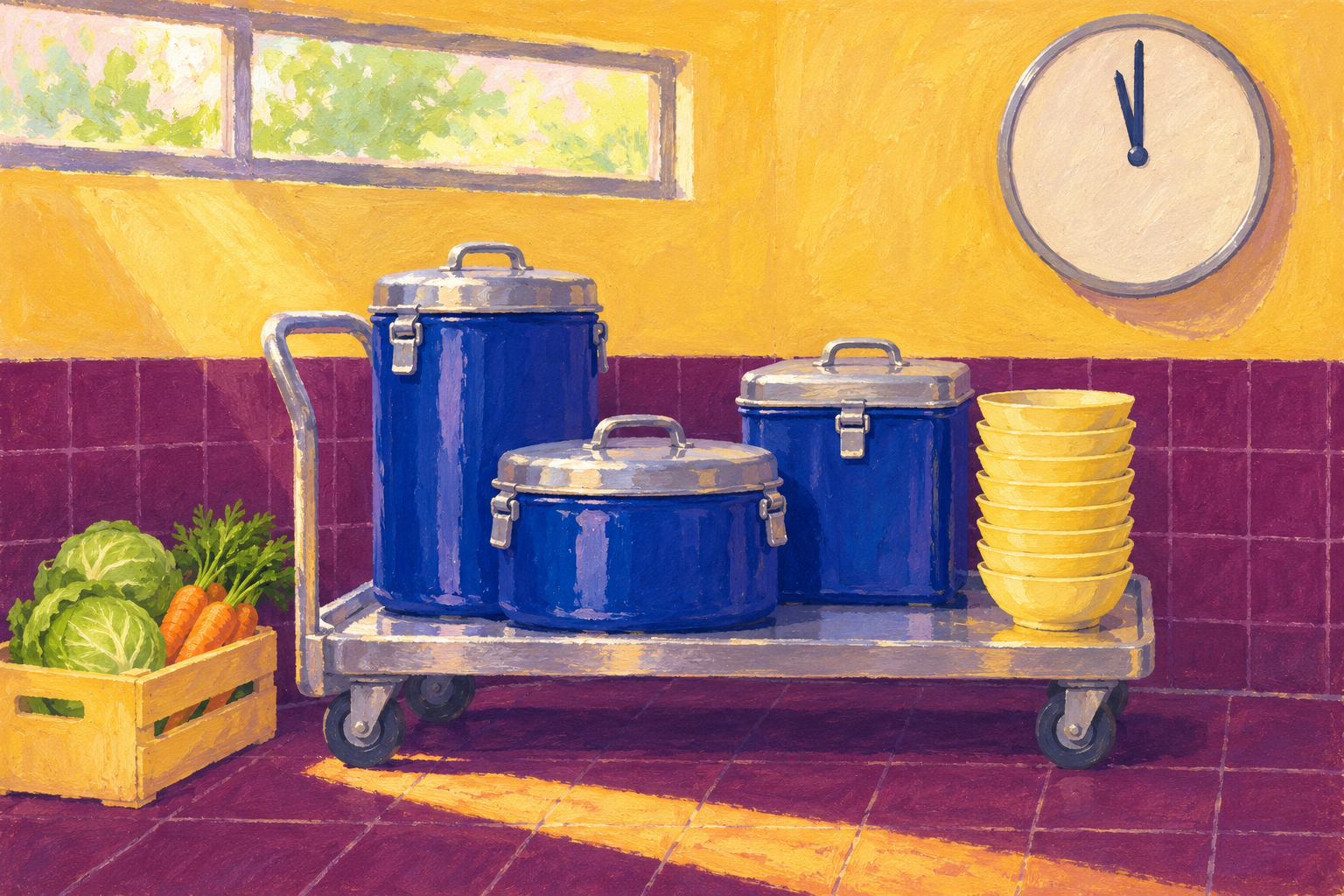
School Meals Feed More Than the School Day
A nutritious school meal depends on more than a menu. Respectful access, cultural fit, fair purchasing and dependable delivery help turn a public promise into food children can rely on.
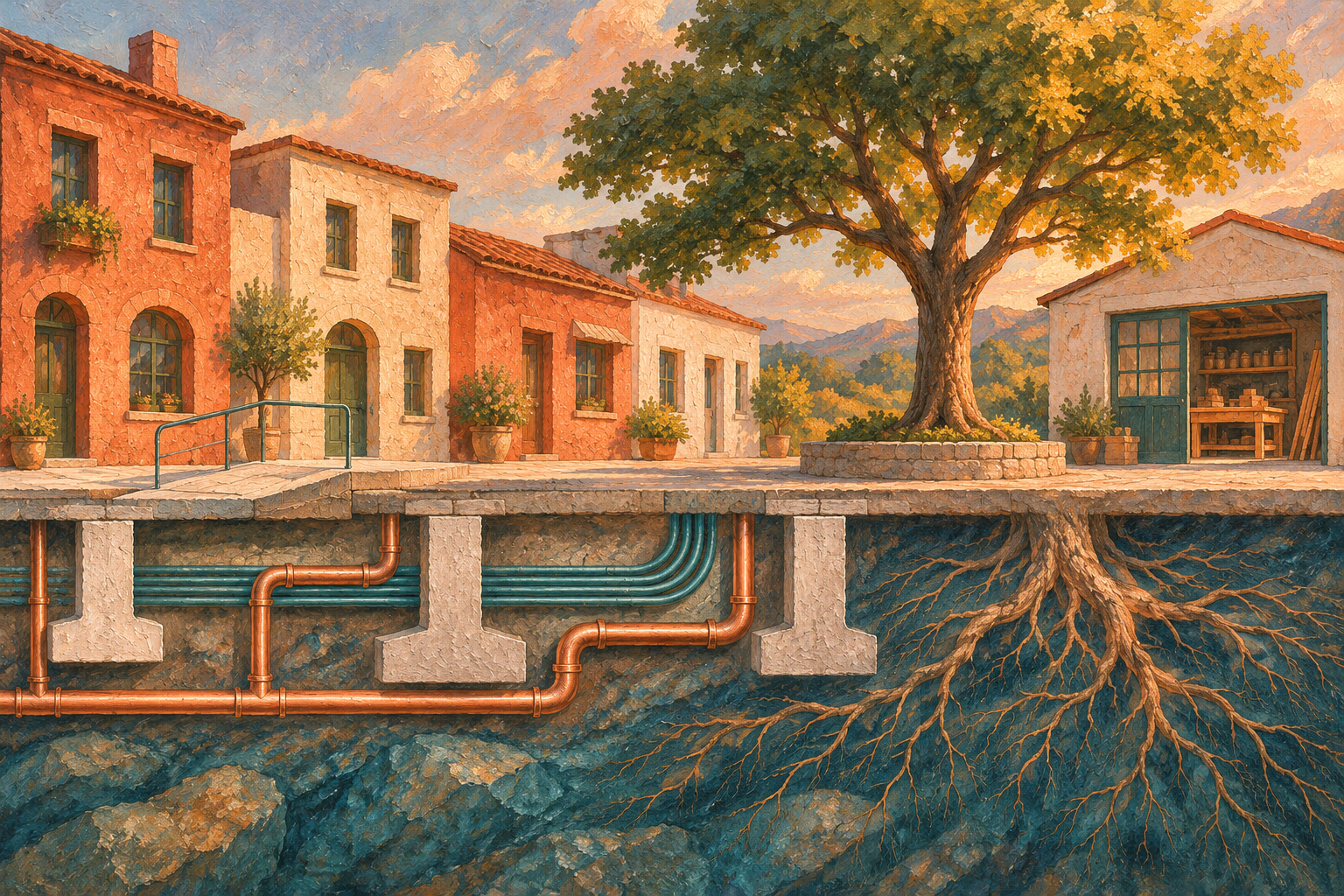
Help Communities Become Ready for Responsible Investment
Communities become ready for responsible investment by verifying their infrastructure, connecting residents to opportunities and making public commitments that can be checked. Preparation includes the people already there and the costs they may carry.

The Water Point Is Only the Beginning
A new water point begins a continuing responsibility. Clear repair roles, realistic budgets, reliable parts and separate safety checks help turn an installation into a service people can depend on.

Public Toilets Belong in the Community Plan
Public toilets influence whether people can plan a visit and stay comfortably. Reliable access depends on suitable facilities, clear information, funded maintenance and opening hours that match community life.

When Opportunity Speaks Only One Language
A translated announcement can welcome someone while the next step leaves them stranded. Meaningful language access connects the invitation, the service and the chance to ask a question.

A Place to Sit Can Change Who Gets to Stay
A place to rest can shape whether someone makes a journey or stays to enjoy a neighbourhood. Public seating deserves thoughtful locations, inclusive design and dependable care.

The Food We Already Bought Deserves a Plan
Food bought with good intentions can be forgotten in a busy week. Practical planning, safe storage and thoughtful community support can help more of it become a meal.