


Do Not Ask Only Who Bought. Ask Who Came Back
A first sale can come from curiosity, convenience, a discount, or personal support. This practical guide helps early-stage founders define a fair return window, track eligible customers, learn why people return, and use repeat demand to make a clearer next decision.

Write a Partnership Request That Makes Every Contribution Clear
Strong partnerships begin with clarity. Learn how to define the shared result, name each contribution, assign owners, set timing, and propose a small first test.

Build Digital Confidence by Teaching One Complete Task at a Time
Digital confidence grows when a learner completes something useful, repeats it with a small change, and knows what to try when the screen looks different. Learn a practical task-based teaching loop for digital skills.

Before You Price a Small Service, Count the Work Customers Never See
A one-hour service can require far more than one hour of work. Learn how to map the full delivery cycle, estimate direct and indirect costs, and test a price without hiding the effort behind the service.

Give Residents a Real Say Before the Plan Is Finished
Community feedback is most useful while important choices are still open. Learn how to share an early draft, invite accessible input, and show residents what changed.

Attendance Tells You Who Came. Choose One Measure That Shows What They Learned
Attendance is useful, but it cannot show whether learning happened. This guide helps educators and community programs choose one practical measure tied to what participants should be able to understand, explain, or do.

A Useful First Mentoring Conversation Starts With Three Agreements
A strong mentoring relationship does not begin with a perfect speech. It begins with three clear agreements about the mentee’s goal, the relationship’s boundaries, and what will happen next.

When a Customer Says No, Ask One Better Question
A customer’s no is not permission to pressure them, but it can be an invitation to learn. Use this practical follow-up method to ask better questions, record patterns, and improve your next offer.

Build a Local Resource Guide People Can Actually Use
A long list of organizations is not yet a useful resource guide. Use this practical method to verify services, record the details people need, design for access, and keep information current.

Write a Volunteer Role People Can Confidently Say Yes To
Volunteers should not have to guess what they are agreeing to. Use this practical role-brief framework to explain the purpose, tasks, time, boundaries, support, accessibility, and next step before recruitment begins.

Design a Useful Lesson for Learners Who Only Have a Phone
A phone can be a workable learning tool when the lesson is designed around its real limits. Use this practical framework to choose one outcome, reduce friction, build active practice, and provide low-bandwidth, accessible options.

Write a One-Page Service Offer Your Customer Can Actually Understand
A customer should not have to decode your service. Use this one-page framework to explain the result, included work, responsibilities, price, boundaries, and next step clearly enough for both sides to make an informed decision.

Before an Exchange Visit, Choose One Learning Question to Bring Home
A busy exchange schedule does not guarantee useful learning. Choose one focused question, observe with respect, record context, and turn what you learn into a small experiment that fits your own community.

Before You Start a Donation Drive, Confirm What Is Actually Needed
Generosity helps most when it matches a confirmed need. Learn how to choose between cash, requested goods, trained volunteer service, and a local partnership before collecting a single item.
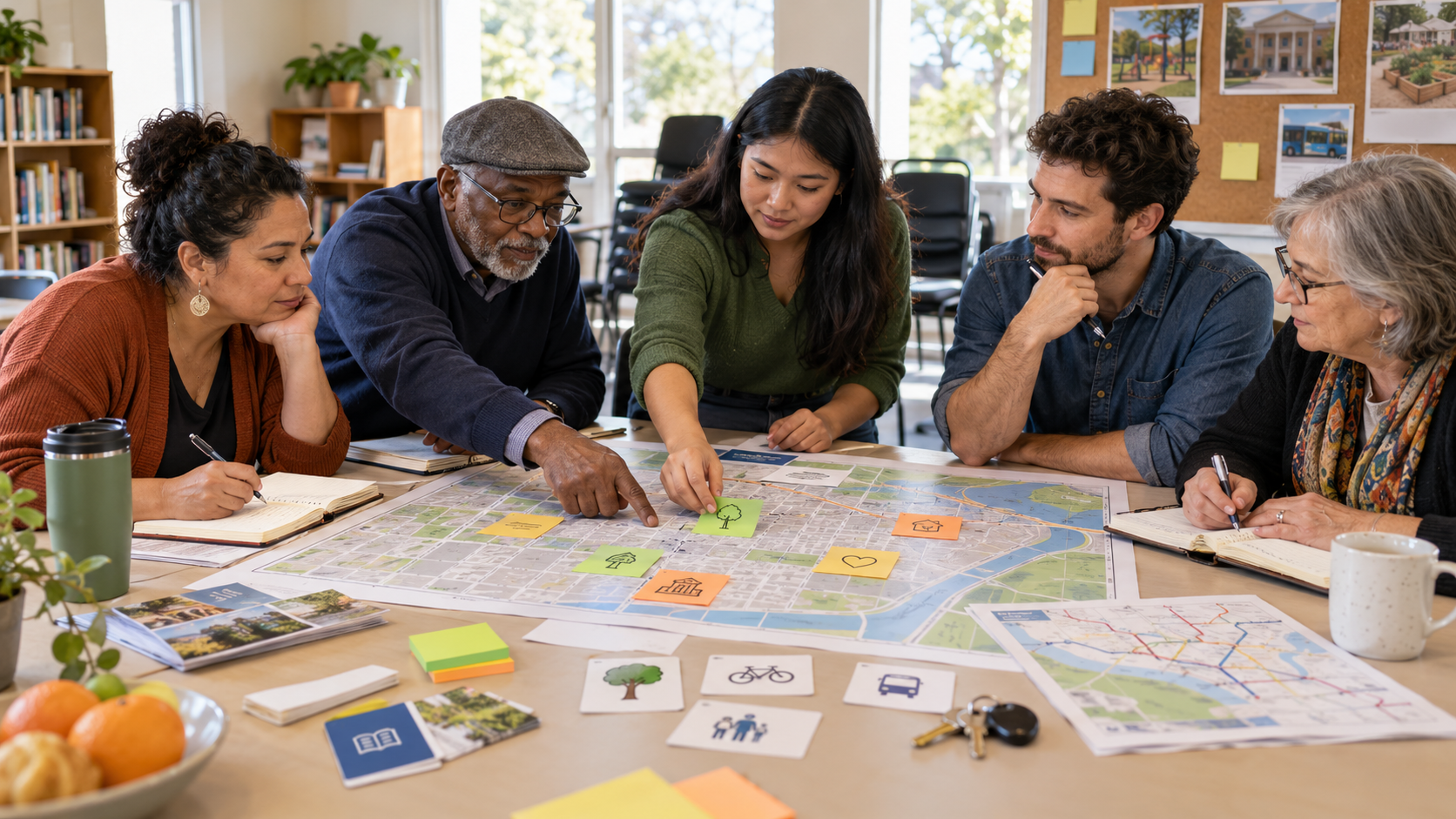
Before You Start a New Community Program, Map What Already Exists
A community may already hold people, places, networks, and services that can strengthen a new idea. Learn how to map them, confirm availability, and design a respectful first test.

End Every Meeting With a Decision People Can Use
Good discussion does not move a project until people know what was decided, who will act, what happens next, and when the team will review it. Use this practical decision record to close the gap.

Turn One Skill Into a Portfolio Project You Can Explain
You do not need a long client list to begin demonstrating a skill. Learn how to design a small portfolio project, test it with realistic examples, explain your contribution, and share it without overstating your experience.

Who Uses It, Who Chooses It, Who Pays? Test Your Business Idea Before You Build
A useful idea needs a clear path from community need to sustainable delivery. Learn how to identify the user, decision-maker, and payer, ask better questions, and design a small test before committing significant time or money.

The Borderless Entrepreneur: Building Globally Competitive Enterprises from Emerging Markets
The geographical lottery of birth no longer dictates a founder's ambition. Discover how local entrepreneurs in emerging markets are bypassing traditional gatekeepers to build global, community-lifting enterprises from anywhere

Pakistan’s Next Chapter
Pakistan’s next chapter will be built through partnership, not scattered effort. I believe the right U.S.-Pakistan partnership model must focus far more seriously on Balochistan. Feel Worldwide Foundation Inc. is open to local, national, and international partners ready to build with purpose.