

Starting a Small Service Business in Pakistan? Choose the Province, Customer, and Payment Route First
A Quetta-based guide to testing a multilingual business-support service before deciding on federal registration, provincial tax, and local premises questions.
By Arbab Naseebullah Kasi, Chief Executive Officer - CEO, Feel Worldwide Foundation Inc.
A business idea described as “digital services in Pakistan” is still too broad to test. Pakistan has federal registration and tax systems, provincial responsibilities for sales tax on services, and local authorities that may affect premises and signage. The customer also matters. A Quetta retailer paying for a bilingual product list creates a different delivery, tax, privacy, and payment question from a foreign buyer purchasing an export service.
This guide is for a Pakistani citizen or resident planning an owner-operated service from Quetta, Balochistan. It uses a multilingual product-information service as a teaching example, but it does not claim that local demand exists. The founder must test that. Official requirements were reviewed on October 2, 2026. All financial examples are in Pakistani rupees (PKR). This is educational planning, not individual legal, tax, immigration, or investment advice.
Define the customer problem before the service name
“Translation,” “digital marketing,” and “business support” can each hide several different jobs. A useful first offer names the customer, the material, the language, the finished output, and the boundary of responsibility.
Three ideas are worth investigating as separate hypotheses. First, a small retailer or producer may need a limited set of product names, descriptions, prices, and ordering details made consistent in Urdu and English. Second, a training provider or business association may need a short, non-sensitive video transcribed and subtitled in languages the provider can competently review. Third, a small supplier may need a bilingual buyer-inquiry pack containing a company introduction, product table, standard questions, and a handover record.
These are not interchangeable. Product-list cleanup rewards accuracy and repeatable formatting. Subtitling requires careful listening, timing, and review. A buyer-inquiry pack requires clear scope and disciplined follow-up, but it should not imply that the service provider is a lawyer, customs adviser, certified translator, or sales representative. Medical, court, immigration, and other high-stakes translation may require qualifications and safeguards beyond an ordinary startup’s competence.
Choose one version for the first test. If you cannot explain exactly what the customer receives, how many items are included, which languages are covered, what the customer must supply, and what is excluded, the offer is not ready to price.
Test one customer area, not an entire country
Quetta is the working locality for this guide. The Government of Balochistan describes Quetta as the provincial capital and a trade and communication hub near Afghanistan. That description gives a founder research questions, not proof of demand for a particular service.
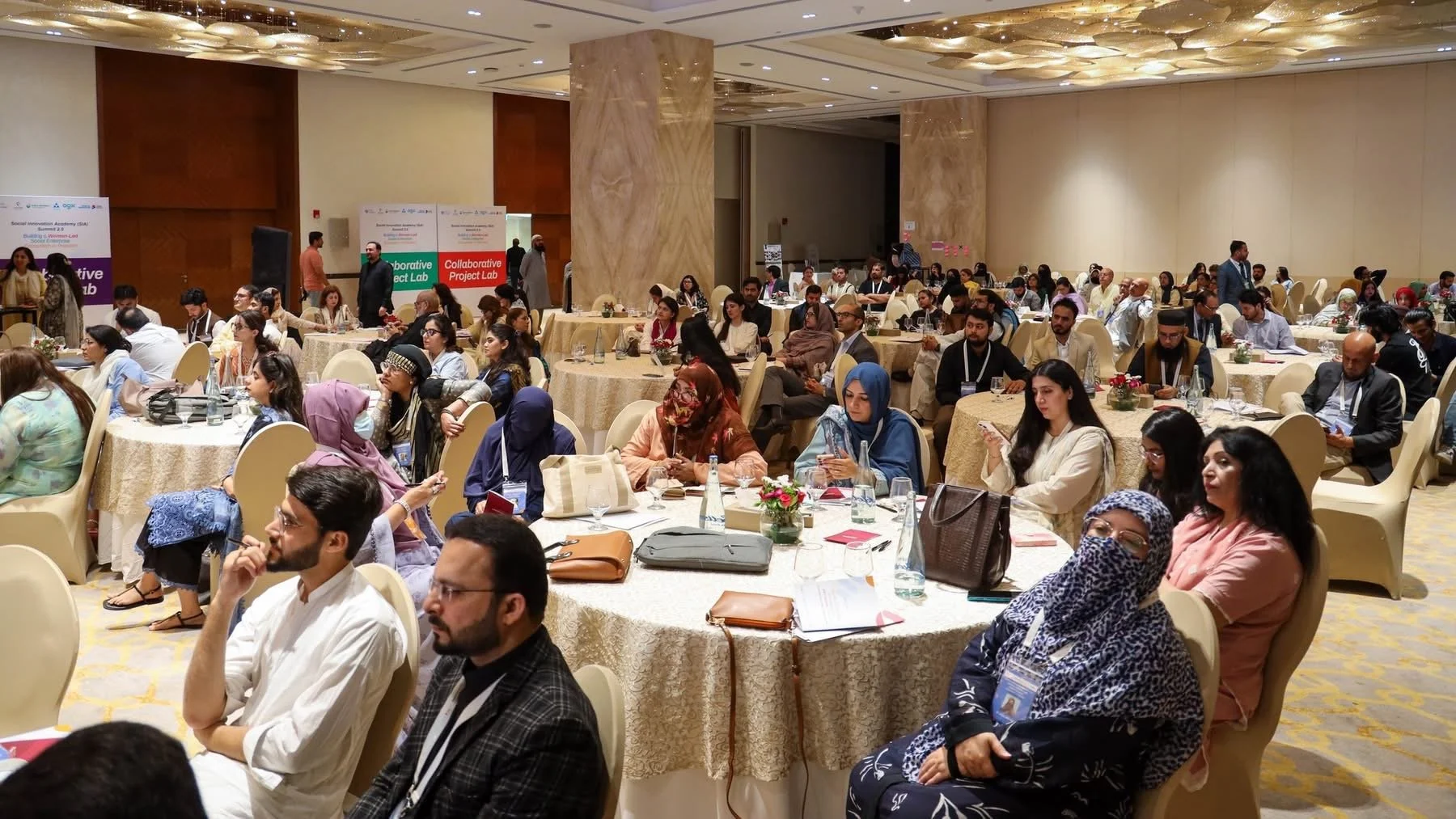
Build an eight-conversation test. Speak voluntarily with two retailers, two small producers, two service organizations, and two people who regularly prepare business information. Ask how they produce multilingual material now, which errors or delays matter, who approves the final version, how frequently the task occurs, and what would make them reject outside help. Do not request confidential customer lists, payroll files, passwords, or banking records.
Prepare one sample using your own fictional products. Show the same information before and after cleanup, then ask the interviewee to identify anything confusing or missing. Record whether the person has the problem, already has an adequate alternative, controls the budget, and would consider a small paid pilot. Praise is not a purchase signal. Evidence becomes stronger when the intended buyer understands the deliverable, has authority to decide, and agrees to a specific next step.
Local competitors include translators, printing and design shops, marketing agencies, freelance platforms, and the customer’s own staff. Compare public descriptions of their scope, turnaround, revision policy, and language coverage. Do not pretend to be a buyer. A founder may discover that the best opportunity is not “more translation,” but a smaller handover service that makes approved information easier to reuse.
Build a three-level compliance map
The first level is federal. The Federal Board of Revenue’s registration guidance says an individual can register online through Iris. Its taxpayer-registration basics explain that e-enrollment provides an NTN or registration number and password. The online-registration requirements list items such as a CNIC-linked mobile number, personal email, a certificate confirming maintenance of a personal bank account in the applicant’s own name and, for a business, premises ownership or tenancy evidence and a paid premises utility bill no more than three months old.
Do not treat individual tax registration and company incorporation as the same decision. A solo founder may begin under an individual form that fits the facts, while partners, investors, liability concerns, or procurement requirements may justify professional advice about another structure. If a company is appropriate, the Securities and Exchange Commission of Pakistan describes a digitized process for name reservation and incorporation. Incorporating a company adds administration; it does not prove that customers will buy.
The second level is provincial. The Balochistan Revenue Authority portal provides registration, enrollment, filing, payment, and taxpayer-verification services. Check BRA’s current registration and enrollment route for your role, and confirm any applicable fees directly. Service classification and tax treatment can differ. Ask BRA how the exact deliverable, customer location, and bundled activities are classified before collecting or quoting sales tax.
The third level is local. The Local Government and Rural Development Department identifies building-plan approval and municipal services among local responsibilities. Its page for the Metropolitan Corporation Quetta describes taxation collection, building control, sanitation, and anti-encroachment functions. Confirm which authority covers the actual operating address, especially if the address may fall outside the Metropolitan Corporation or within another administrative area. Ask about home use, customer visits, signage, storage, building approval, and any local trade requirement. A mailing address alone does not answer those questions.
Design payment and records together
A customer promise is not cash. Decide what will trigger a deposit, what counts as acceptance, how revisions are limited, when the balance is due, and what evidence shows payment. Use a written scope that the customer can understand in the relevant language.
The State Bank of Pakistan describes Raast Person to Merchant as a service for digital payment acceptance by merchants and businesses. Access and onboarding depend on participating regulated providers. Compare a business account, merchant QR option, bank transfer, cash handling, fees, settlement timing, and the records each route produces. A personal transfer may be convenient, but convenience alone does not establish that the account, invoice, tax, and customer records are suitable for the business.
Consider this fictional teaching example. Sana offers to standardize forty product listings in Urdu and English for PKR 30,000 before any applicable tax or withholding. She estimates fifteen hours for intake, terminology decisions, formatting, customer review, corrections, and handover, plus PKR 4,000 in direct costs. The remaining PKR 26,000 equals about PKR 1,733 per working hour before overhead, income tax, equipment replacement, unpaid sales work, and additional revisions.
If the project takes twenty-two hours, the same remainder is about PKR 1,182 per hour. If Sana receives a 40 percent deposit, PKR 12,000 arrives before delivery, leaving PKR 18,000 exposed to acceptance and collection timing. These figures are invented planning numbers, not Quetta market rates or earnings predictions. Their purpose is to show why scope, revisions, payment timing, and cash needs must be designed together.
Count the startup components you already own
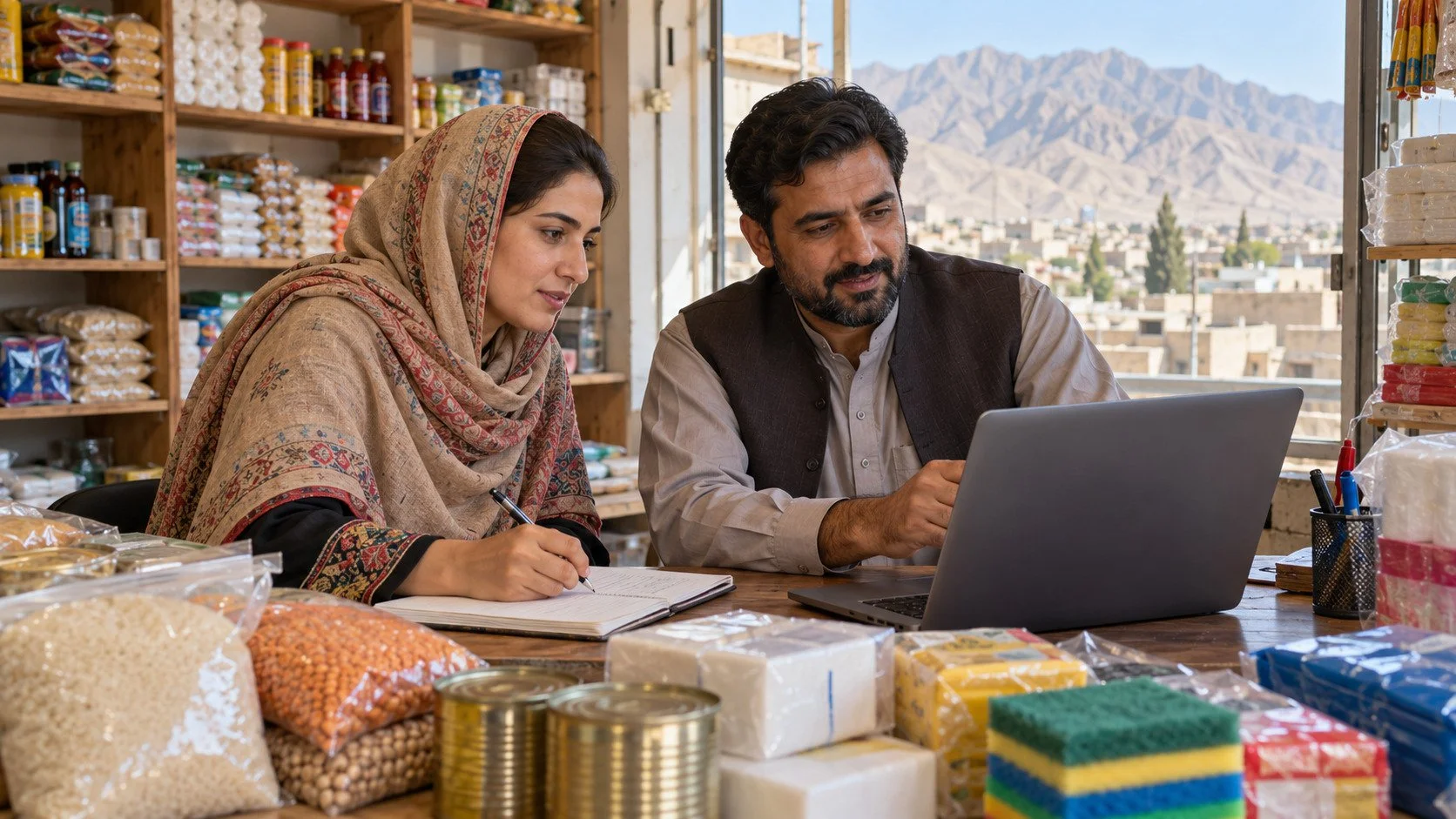
This model may use a laptop, phone, Urdu-compatible keyboard or input method, licensed fonts or software, secure file storage, internet data, electricity backup, transport, a quiet review space, and a second qualified reviewer for work outside the founder’s strongest language. Other costs can include registration, tax advice, municipal permissions, bank or payment fees, marketing samples, and insurance appropriate to the work.
Separate existing resources from new purchases. A founder with a working laptop and language competence has a different starting cost from someone who must buy equipment and hire every review. Obtain current quotations instead of copying a universal startup budget.
Access conditions belong in the plan. Unreliable electricity or connectivity may affect delivery promises. Mobility, caregiving, disability access, language, and safety can shape whether work is remote, customer-facing, or limited to a small route. A partner reviewer may improve quality but reduce margin and add scheduling risk. Choose a delivery model that can be performed reliably, then price the real work.
Foreign investors and prospective newcomers need a separate analysis. Owning or investing in a business is not the same as having permission to work in Pakistan. The Board of Investment’s current work-visa page describes eligibility, lists different supporting documents for employment by a company and employment by a single-person-owned business, and states that visa issuance remains the Government’s prerogative. Anyone in that position should verify current immigration, investment, tax, and work-authorization requirements before providing services.
Put the decision on one page
Create a one-page launch map with seven boxes: intended customer; problem observed; exact deliverable and exclusions; customer and operating locations; federal, provincial, and local questions; payment and collection route; and evidence that would justify a second project. Add a stop condition, such as no buyer controlling a budget, a requirement outside your competence, or a compliance cost the first offer cannot support.
Use official offices for authoritative questions and qualified advisers for your circumstances. Explore FWF’s Skills, Work & Entrepreneurship pathway or connect with the foundation about its work. Your next action is to choose one Quetta customer type and one bounded multilingual deliverable, then schedule two voluntary problem interviews before buying software or filing a structure that the evidence does not yet justify.
Share this article
For Instagram, Snapchat or another app, copy the link and paste it there.
